Labor Shortfalls Are Here to Stay
Minnesota’s state demographer sheds light on the persistent worker shortage.
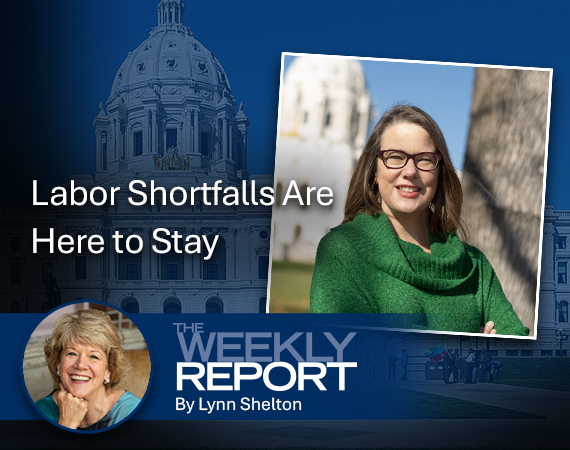
As Minnesota’s demographer, Susan Brower collects and analyzes data that provides context for Minnesotans as they consider the future. In the upcoming “Four Questions” interview in Enterprise Minnesota magazine, she spoke to us about the persistent workforce shortages manufacturers have wrestled with for years. The big takeaway: labor challenges are here to stay, but manufacturers have options to deal with them.
“While you don’t necessarily need our data to know that the labor shortage is happening, our data can help explain why it’s happening and also point to the fact that it’s likely to be more or less permanent,” she says.
Brower describes the “demographic cliff” we just fell off, noting that 2025 was the largest cohort of high school graduates coming out of Minnesota high schools. “From here on out we will have fewer graduates coming down the pipeline,” she says, and the only question mark on these forecasts is what happens with immigration.
“It’s hard to predict what flows of international immigration might look like in the future, especially since federal policy has been so varied over the past decade or longer,” she says.
In Minnesota, Brower says the demographic challenges are more acute in areas outside the metro area, particularly in the north. “You’re even seeing a shrinking labor force rather than a slower-growing labor force. We don’t expect a lot of growth for much of Greater Minnesota, and we expect slower growth in the metro areas than we’ve seen in past decades.”

Brower says the trends don’t necessarily mean that manufacturers growth will slow, or that they won’t be able to find workers. “This is the context that they’ll be operating in. What they do in response, or how they recruit, or how they focus on their markets — those will be the decisions that they have to make as they align with this reality.”
While she cautions that she’s not an economist, Brower says one of those responses is to increase productivity, with fewer people doing more. Another is increasing the value of the goods and services that manufacturers are creating.
She says companies also might need a new approach to recruiting. One manufacturer told her he works with the local trade school and adjusts shifts so employees can work around the classes they need to advance in the workplace.
When it comes to AI and other technologies, Brower says they have the potential to improve productivity, with caveats. “We should be careful not to overstate their near-term impact. I would encourage employers to identify specific opportunities to improve efficiency and then consider whether AI or other technologies could help. Starting with the problem rather than the technology will lead to a more realistic assessment of AI’s potential.”
Look for the full interview in the Winter issue of Enterprise Minnesota magazine, set for release at our annual State of Manufacturing® kickoff event on November 11. (Register here)

Industry News
Cirrus Aircraft Expands in Grand Forks and Duluth
October 18, AINonline.com
Akre family keeps Zimmerman, MN power wheelchair soccer company going
October 17, Elk River Star News
Pepin Manufacturing Expands Slitting and Rewinding Capacity
October 15, WBOC
Minnesota loses a net 4,600 jobs in September; jobless rate rises to 4.5%; Manufacturing shows highest gains
October 15, Yahoo! News
Cambria opens new Quartz processing center in Randolph, Minn.
October 14, SouthernMinn.com
Pulsar Helium company plans to build processing plant in Two Harbors
October 13, KAXE
SkyWater and D-Wave Extend Quantum Manufacturing Collaboration Through Multi-Year Agreement
October 13, Voice of Alexandria